Dharmendra


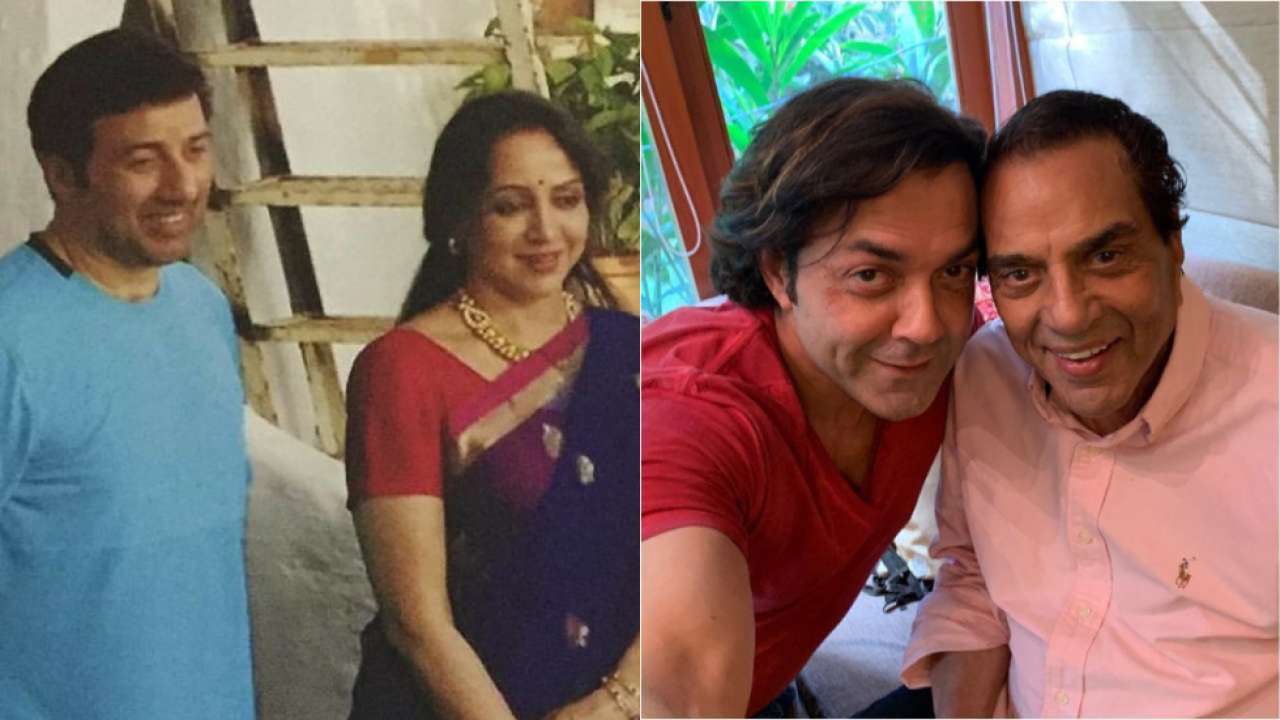
It is with profound sadness that we mark the passing of Dharmendra — a towering figure in Indian cinema whose legacy will echo for generations. On 24 November 2025, Dharmendra Kewal Krishan Deol passed away at the age of 89 in Mumbai after a brief illness. (www.ndtv.com)
In this blog, we’ll trace the life, career, influence and legacy of this legendary actor — a tribute to a man who defined eras and embodied the heart of Hindi cinema.
Early Life and Entry into Cinema
Dharmendra was born 8 December 1935 in Nasrali village in Ludhiana district (then British‐India, now Punjab) to Kewal Krishan and Satwant Kaur. (Wikipedia)
Raised in a teacher’s family (his father was a school headmaster), Dharmendra studied in Phagwara and later came to Mumbai with dreams of acting. (Wikipedia)
His big break came after winning a talent contest, which paved the way to his debut in 1960. (The Indian Express)
From the soil of rural Punjab to the heights of Bollywood stardom — his journey reflected aspiration, grit and the transformative power of Indian cinema.
Rise to Stardom: The He-Man Era
Dharmendra’s career truly took off in the late 1960s and through the 1970s. Known for his good looks, charismatic presence and on-screen versatility, he embraced roles ranging from romantic hero to action star to comedic actor. (Wikipedia)
In 1975 he starred in the film Sholay, playing the unforgettable Veeru — a role that remains etched in the annals of Indian cinema. (The Indian Express)
He was often called the “He-Man” of Indian cinema — for his muscular physique and heroic screen persona. (The Indian Express)
Some key milestones:
-
Emergence as a full-fledged star with films like Mera Gaon Mera Desh (1971). (Wikipedia)
-
A string of hits in diverse genres: romance, action, comedy.
-
Establishing a mass appeal that straddled both urban and rural audiences, across India and beyond.
Versatility and Later Career
What set Dharmendra apart was his ability to transition between genres:
-
He proved capable in comedies (e.g., Chupke Chupke) and in softer romantic roles.
-
He continued into character roles as he matured, playing father-figures, mentors, and ensemble casts. (Wikipedia)
-
His filmography spanned over 300 films and more than six decades. (The Indian Express)
This adaptability helped him remain relevant even as Bollywood’s landscape evolved around him.
Personal Life & Off-Screen Persona
Dharmendra’s off-screen life was as much part of his legend as his roles:
-
He married Prakash Kaur (his first wife) and later actress Hema Malini, with whom he shared both on-screen chemistry and family life. (The Indian Express)
-
He fathered several children, including actors Sunny Deol, Bobby Deol and Esha Deol — thus beginning a film dynasty of sorts. (The Indian Express)
-
His humble background, down-to-earth nature, and continuing connection to his roots earned him immense affection from fans and contemporaries alike.
Achievements, Awards and Recognition
Dharmendra’s contributions were acknowledged in multiple ways:
-
He was honored with the civilian award Padma Bhushan in 2012 for his service to Indian cinema. (The Indian Express)
-
He also briefly dabbled in politics — serving as an MP in the 15th Lok Sabha for the constituency of Bikaner (2004-2009). (Wikipedia)
His recognition went beyond mere stardom; he was seen as a cultural icon.
Legacy and Influence
Dharmendra’s impact is deep and broad:
-
For many, he defined the “hero” of his generation — not just muscle and looks, but emotion, charm and versatility.
-
His role in Sholay, his pairing with Amitabh Bachchan, and his larger-than-life screen presence became part of Indian popular culture.
-
He inspired subsequent generations of actors and continues to be referenced in film, television and media.
-
Off-screen, his humility and connection with fans made him endearing; many tributes today focus as much on his kindness as his craft. (Hindustan Times)
-
As an actor who transitioned across eras (from 1960s romance to 1970s action to character roles in later years), his career is a study in longevity and adaptation.
Final Days and Passing
In late October 2025, Dharmendra was admitted to Mumbai’s Breach Candy Hospital complaining of breathlessness. (www.ndtv.com)
On 24 November 2025, he passed away at his residence in Mumbai, aged 89. (AP News)
His death prompted an outpouring of condolences across the country — actors, politicians and fans alike reflecting on an era gone by. (The Times of India)
Why Dharmendra Matters
Why does Dharmendra’s life matter — beyond the celebrity and stardom? A few thoughts:
-
Representation of an era: His rise coincided with the transformation of Hindi cinema in the 1960s-70s, when action, masala films became staples.
-
Bridge across styles: He was one of the rare actors who could do everything — romantic leads, rugged action, comedy, character roles.
-
Cultural resonance: His films are still watched, quoted, referenced. For many, he is part of childhood memories and family traditions.
-
Humility + Stardom: Despite his fame, stories of his grounded nature abound. That made his connection to the ordinary viewer stronger.
-
Inspiration: From his rural Punjab origins to national stardom, his journey speaks of perseverance, transformation, and hope.
A Personal Reflection
When I (and perhaps many of you) recall Dharmendra, what stands out isn’t just his larger‐than‐life persona but the sincerity in his eyes, the warmth in his smile, the ease with which he carried heroism and vulnerability.
He was one of those stars who seemed accessible — you felt you could root for him, you could feel for him. The fact that his children stepped into the same world is a testimony to his legacy.
With his passing, we lose more than an actor — we lose a chapter of cinema history. And yet, his films remain, his legacy lives, his influence continues.
Conclusion
In the world of Indian cinema, certain names transcend decades. Dharmendra is one of them. His journey from small-town Punjab to Bollywood’s big league, his six-decade career, his versatility, the joy he brought to audiences — all of these combine to form a legacy that will endure.
As we bid him farewell, we also celebrate him — not just as a star, but as a human being who lived his dreams and gave many others the joy of theirs.
May he rest in peace — and may his legacy continue to inspire, entertain and uplift.
Comments
Post a Comment