The Epstein Files Unsealed: Everything You Need to Know About Jeffrey Epstein’s Documents, the 2026 Releases, Key Names, and What They Actually Reveal

  The Epstein Files Explained: What They Are, Why They Matter, and What We Know So Far The phrase “Epstein files” has become one of the most searched and discussed topics in recent years. It appears frequently in news headlines, social media debates, and online discussions about power, justice, and accountability. Yet many people are unclear about what the Epstein files actually are, what they contain, and why they continue to attract global attention years after Jeffrey Epstein’s death. This article provides a clear, balanced, and detailed explanation of the Epstein files, their background, the legal and political impact, and the ongoing public interest surrounding them. The goal is to separate confirmed facts from speculation while helping readers understand why this case remains significant. Who Was Jeffrey Epstein? Jeffrey Epstein was an American financier who became widely known not for his business career but for criminal allegations involving the sexual exploitation of under...
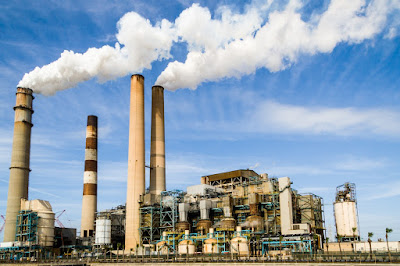
The efforts made by India for the environmental protection

The Indian Constitution, which was enacted in 1950, was not directly linked to the provisions of environmental protection. The 1972 Stockholm Conference drew the attention of the Indian government towards environmental protection. The Government amended the Constitution in 1976 to add two important Articles 48A and 51A (G). Article 48A directs the State Government to prtotect the forests and wildlife. Article 51A (G) provides duty to citizens to 'protect and promote the natural environment and be kind to all living beings. After Independence, due to increasing industrialization, urbanization and population growth, the environment
Continued decrease. In the context of effective control and pollution in this lack of quality of environment, the government has made several laws and rules from time to time. The main steps which were taken by the indian government are as follows-

The Water (Prevention and Control of Pollution) Act, 1974

Water Cess (Prevention and Control of Pollution) Act, 1977

Environment Protection Act. 1986,

Factories Act, 1948,

The Air (Prevention and Control of Pollution) Act, 1981,

Industries (Development and Regulation) Act, 1951,

Wildlife Protection Act, 1972,

The Forest (Conservation) Act, 1980,

Biodiversity Act, 2002, etc.

The above laws related to environment in India were created at a time when environmental pollution was not so widespread in the country. Hence, most of these laws have lost their utility, but still some laws and rules are making their important contribution in environmental protection. India took an initiative and set an example that you can also progress your country by harmonizing with the environment.

Comments

Popular posts from this blog

Daily Current Affairs 1 January 2026 covering national, international, economy, defence, science & technology, environment and governance developments. Important for UPSC, SSC, Banking and State PSC exams.

Throw light on the literary contributions of Jagnik.

Tamil Nadu Government's Smart Blackboard Scheme